
Are you ready to turn your home into an irresistible magnet for buyers? Selling a house is more than just putting up a for-sale sign; it’s about crafting a masterpiece that captures the hearts of prospective owners. Imagine walking potential buyers through a home that feels like it was tailor-made for them. This guide is designed to equip you with the creative insights and persuasive strategies you need to make your property stand out in the competitive market.
From staging your home to setting the right price, and crafting an unbeatable marketing plan, this is your roadmap to a successful sale. Learn how to negotiate like a pro, navigate legal and financial considerations with ease, and close the deal with confidence. Let’s dive into the art of mastering the market, ensuring that every step you take leads to a rewarding and profitable home sale.
Preparing Your Home for Sale
In the thrilling quest to sell your house, the way you present it to potential buyers can make or break the deal. Transform your property into an irresistible oasis, enticing buyers the moment they step through the door.
Every nook and cranny of your home tells a story. Make sure it’s a bestseller by carefully curating the experience you offer. From staging to repairs, creating the perfect environment is your ticket to a successful sale!
Staging for Maximum Appeal
Staging is an art form, highlighting the best features of your home while allowing buyers to envision their future within its walls. Begin by depersonalizing your space, removing personal photos and quirky collectibles. Think of your home as a blank canvas, ready for the dreams of its new owner. Neutral colors are your friend, and fresh paint can breathe new life into tired rooms. Don’t forget the power of strategic furniture placement to emphasize space and flow.
Identifying and Addressing Repairs
Tackle the minor repairs before they become major deal-breakers. From leaky faucets to creaky doors, demonstrating a well-maintained home instills confidence in buyers. Consider these questions when evaluating potential upgrades:
- Does repainting add value?
- Could landscaping boost curb appeal?
- Is upgrading fixtures economically viable?
Taking these steps can significantly enhance the perceived value of your property.
Organizing for Open Houses
An organized home is a welcoming home. Start with a deep clean, leaving no stone unturned. Declutter ruthlessly — if it doesn’t serve a purpose, it’s got to go! Pay special attention to kitchen counters and bathroom surfaces, where clutter tends to accumulate. Fresh flowers or a subtle room fragrance can add a touch of elegance and warmth. Ensure all rooms are well-lit, opening curtains and blinds to invite natural light.
Checklist Before Listing
Completing this checklist will ensure your home is in top-notch condition and ready to hit the market:
- Conduct a thorough walk-through with a critical eye.
- Complete essential repairs and touch-ups.
- Stage each room to highlight its best features.
- Declutter and organize all living spaces.
- Ensure all lighting is functional and add brightness where needed.
- Finalize your curb appeal with tidy landscaping.
Remember, the more inviting and faultless your home appears, the easier it can find its new owner.
Pricing Strategies for a Competitive Market
In the dance of real estate, pricing your home right is akin to setting the perfect tempo. It’s not just about the numbers; it’s about crafting an irresistible invitation to potential buyers.
To secure a successful sale, it’s crucial to delve into the nuances of pricing strategies. By conducting a comparative market analysis and strategically setting a price that attracts buyers, you can ensure a profitable outcome. Let’s explore the art and science behind pricing your home competitively in today’s dynamic market.
Conducting a Comparative Market Analysis
Before you set your home’s price, you need to become a detective, delving into the local real estate market. Conducting a comparative market analysis (CMA) involves examining the sale prices of similar homes in your area. This analysis helps you understand the market dynamics and positions your home to attract serious buyers.
- Review recent sales of similar properties within your neighborhood.
- Consider the location, size, and condition of comparable homes.
- Analyze current listings that are your home’s direct competition.
Setting a Price That Entices
Once you’ve gathered your insights, it’s time to set a price that not only entices potential buyers but also ensures a good return on your investment. A well-priced home can spark a flurry of interest and even multiple offers, driving the sale price upward. Consider these strategies:
- Price slightly below market value to create urgency and competition.
- Utilize odd pricing, such as $299,000 instead of $300,000, to appeal psychologically.
- Adjust the price to reflect unique features or upgrades.
Adjusting Prices in Response to Market Trends
The real estate market is a living entity, constantly shifting and evolving. If your home isn’t attracting the attention you expected, it might be time to recalibrate. Here are some tips for adjusting your pricing strategy:
- Stay informed of local and national market trends.
- Be willing to reassess your asking price if the market shows signs of cooling.
- Respond to buyer feedback; if multiple prospects cite pricing as a deterrent, consider it seriously.
“The art of pricing lies in being flexible enough to adapt, yet confident enough to stand firm when the market demands it.”
| Pricing Strategy | Advantages | Risks | Best Scenarios |
|---|---|---|---|
| Competitive Pricing | Attracts more buyers quickly | May undervalue the property | Hot market with high demand |
| Value-Based Pricing | Reflects the true worth of the home | Limited buyer pool | Unique features or upgrades |
| Psychological Pricing | Catches buyers’ attention | May appear as a marketing gimmick | When competing with similar listings |
| Price Adjustment | Realigns with market expectations | Potential loss in perceived value | Slow market or low interest |
Marketing Your Home Effectively
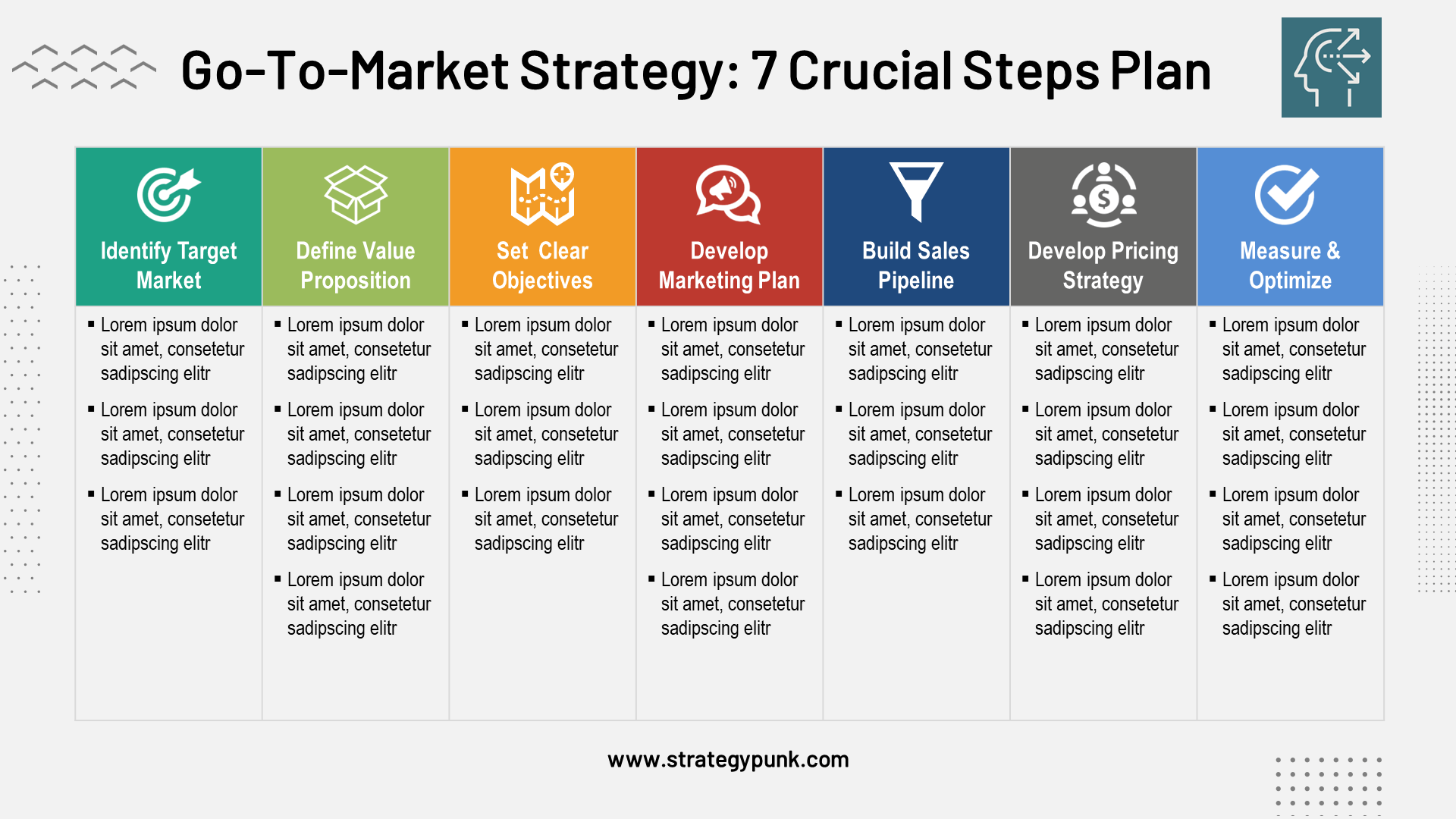
In today’s competitive real estate market, mastering the art of marketing your home is crucial. Transforming your property into a must-have listing begins with a strategic marketing plan.
By combining digital innovation with tried-and-tested traditional tactics, your home can stand out in a sea of listings. Let’s explore how to create a winning marketing blueprint.
Crafting a Comprehensive Marketing Plan
Begin by understanding your target audience and tailoring your marketing efforts to attract them. A comprehensive plan includes professional photography, captivating descriptions, and a coordinated online and offline approach.
- Photography: Hire a professional to capture your home in the best light.
- Listing Description: Write engaging, detailed descriptions highlighting unique features.
- Marketing Channels: Utilize a mix of digital and traditional platforms to maximize exposure.
Utilizing Digital Marketing Platforms
Online platforms offer immense reach, allowing you to connect with potential buyers across the globe. Leverage these platforms effectively to amplify your home’s visibility.
- Social Media: Use Facebook, Instagram, and Twitter to showcase your home through posts, stories, and live tours.
- Real Estate Websites: List your property on popular sites like Zillow, Realtor.com, and local MLS.
- Email Campaigns: Create targeted email lists to inform potential buyers about open houses and price changes.
Traditional Marketing Methods That Work
While digital strategies dominate, traditional methods still hold power in real estate marketing. Embrace these techniques to reach different buyer demographics.
- Print Advertising: Utilize local newspapers and real estate magazines.
- Open Houses: Organize well-planned open houses with personalized tours.
- Yard Signs: Invest in high-quality signs with eye-catching designs.
Designing Virtual Tours and Video Walkthroughs
Virtual tours and video walkthroughs are no longer optional—they’re essential. These tools provide an immersive experience, allowing buyers to explore your home from anywhere.
- Virtual Tours: Use 360-degree cameras to create interactive tours that highlight your home’s layout.
- Video Walkthroughs: Shoot high-definition videos with smooth transitions and engaging narration.
- Professional Editing: Ensure your videos are professionally edited for a polished presentation.
The future of home marketing lies in the perfect blend of digital and traditional strategies.
Negotiating the Best Deal
When selling a home, negotiation becomes the art of balancing your desires with the buyer’s needs. Mastery of this skill can earn you not just a sale, but a sale at the best possible price.
Knowing how to navigate the negotiation process is crucial. From understanding when to hold your ground to recognizing the times you should bend, each decision impacts your final deal.
Key Negotiation Tactics for Sellers
As a seller, you possess the power to steer the conversation towards common ground that benefits you. Deploying effective negotiation tactics can significantly enhance your position. Here are some tried-and-true strategies:
- Set a firm baseline: Determine your lowest acceptable offer before negotiations begin. This ensures you don’t settle for less than your property is worth.
- Highlight your home’s unique features: Create an emotional attachment for potential buyers by emphasizing what makes your property standout.
- Consider offering incentives: Sweeten the deal with offers like covering closing costs or including appliances, making the offer more attractive to buyers.
When to Compromise or Hold Firm
Sometimes, the path to a successful sale isn’t a straight line. Here’s how to distinguish when to stand your ground and when to flex:
Compromise when:
- The offer is near your baseline and other interest is low.
- The buyer needs small concessions that will lead to a timely closing.
Hold firm when:
- You have multiple offers or ongoing high interest.
- The buyer demands unreasonable reductions without just cause.
Negotiation isn’t about winning; it’s about finding a win-win situation.
The Role of Real Estate Agents in Negotiations
Real estate agents are not just intermediaries; they are your strategic partners in the negotiation process. Leveraging their market knowledge and negotiation skills can make a substantial difference in your final deal.
Agents bring a wealth of experience and emotional detachment that can help maintain professional rapport, even in tense negotiations. They act as your voice, ensuring your wishes are communicated clearly and persuasively.
Comparison of Negotiation Tactics
| Negotiation Tactic | Pros | Cons | Outcome Scenarios |
|---|---|---|---|
| Starting with a High Ask | Room for negotiation, perceived value | May deter potential buyers | High initial interest, longer time on market |
| Offering Incentives | Makes deal attractive, speeds up sale | Reduces profit margin | Quick sale, buyer satisfaction |
| Set Firm Deadlines | Creates urgency, discourages prolonged negotiation | May rush potential buyers | Faster resolution, potential buyer drop-off |
Legal and Financial Considerations
Navigating the legal and financial aspects of selling your home can feel like traversing a labyrinth. Yet, with clarity and preparation, this journey becomes a path to a successful sale. Here, we delve into the critical steps and strategies to ensure your sale is seamless and profitable.
Understanding the legal and financial requirements of home selling is crucial for avoiding pitfalls and ensuring a smooth transaction. From handling contracts to managing taxes, every step is integral to your success.
Essential Legal Steps in the Home Selling Process
When selling your home, adhering to legal protocols is paramount. Begin by ensuring all property documents are in order and compliant with local real estate laws. Engage a reputable real estate attorney to draft and review all contracts, securing your interests at every turn. Failing to follow legal procedures can result in costly delays or even the nullification of the sale. A well-structured purchase agreement should clearly artikel the terms of the sale, contingencies, and timeframes, providing a solid foundation for the transaction.
Common Financial Pitfalls and How to Avoid Them
Many sellers fall into financial traps that can affect their profits. One major pitfall is underestimating the costs involved in selling, such as agent commissions, repairs, and closing fees. To avoid this, create a detailed budget that encompasses all potential expenses and leaves room for unexpected costs. Another common mistake is mispricing your home, which can lead to prolonged market time and eventual price reductions. Consult with a real estate expert to set a competitive yet realistic price from the outset.
Managing Taxes and Fees Associated with Selling a Home
Taxes can significantly impact your net proceeds, so understanding them is vital. Capital gains tax, for instance, is applicable if your home has appreciated significantly since you bought it. However, exemptions exist, such as the primary residence exclusion, which can save you thousands. Be proactive in seeking advice from a tax professional to ensure you’re maximizing your benefits and complying with IRS regulations. Prepare for additional costs like transfer taxes and prorated property taxes, which should be factored into your financial planning.
Timeline of Legal and Financial Steps from Listing to Closing
To streamline your sale, establish a clear timeline of tasks and deadlines. Here’s a basic framework to guide you:
- Pre-Listing (1-2 Months Before Listing): Organize documents, hire an attorney, and prepare your home for sale.
- Listing (1-2 Weeks Before Listing): Set a price, sign a listing agreement, and start marketing your property.
- Offer Received (Within 1 Week of Listing): Review offers, negotiate terms, and sign a purchase agreement.
- Due Diligence (1-4 Weeks After Offer): Complete inspections, appraisals, and resolve contingencies.
- Closing Preparations (1-2 Weeks Before Closing): Finalize loan payoffs, prepare closing documents, and manage funds.
- Closing (On Closing Day): Sign all legal documents, hand over keys, and receive your proceeds.
“Success in selling your home hinges on meticulous legal and financial planning.”
Closing the Sale Successfully
The finishing line is in sight! Closing a house sale is both thrilling and daunting, as it involves wrapping up all the details to ensure a seamless transition from seller to buyer. Here’s how to navigate these crucial final steps with confidence.
As you approach the closing date, it’s essential to ensure all required inspections and appraisals are conducted properly. These assessments not only validate the home’s value but also reinforce the buyer’s confidence. Completing these steps efficiently lays the groundwork for a smooth closing process.
Ensuring All Paperwork is in Order
Proper documentation is the backbone of a successful closing. From title deeds to settlement statements, every piece of paper holds significance. Double-checking all documents ensures that you’re prepared for the big day without any hiccups.
- Gather all legal documents related to property ownership.
- Ensure that any outstanding liens or debts on the property are cleared.
- Prepare a detailed settlement statement outlining all financial aspects of the sale.
Checklist for Pre-Closing Responsibilities
With so many tasks to juggle, a checklist can be your best friend to keep everything on track. Here’s a comprehensive rundown of responsibilities to tackle before closing day.
- Confirm that all repairs agreed upon are completed.
- Schedule the final walk-through with the buyer.
- Coordinate with the title company for a title search.
- Verify that all closing costs are accounted for and agreed upon.
- Transfer utilities to the buyer’s name.
Overcoming Potential Challenges
Even the smoothest sales can face last-minute hurdles. From unexpected findings during final inspections to financing issues, being prepared to address these challenges is crucial.
“Anticipation and preparation are your allies in closing the perfect deal.”
Having contingency plans and being flexible can make all the difference. Engage your real estate agent proactively to mediate any issues, keeping lines of communication open with all parties involved.
Last Word
As you embark on the journey of selling your home, remember that each step is an opportunity to showcase your property’s best features and maximize its value. With the right preparation, pricing, marketing, and negotiating skills, you’re not just selling a house; you’re creating a future for its new owners. So, embrace the process, tap into your creativity, and watch as your efforts pay off in achieving a successful and satisfying sale.

