
In the bustling world of real estate, selling your house quickly and profitably can feel like a high-stakes game. But what if you had a playbook of expert strategies at your fingertips? The key to outpacing the market and securing an enviable sale is all about strategic flair and informed decisions.
Imagine transforming your home into the most sought-after listing in town. With a little creativity and a proactive approach, you can captivate buyers and close the deal swiftly. Welcome to your ultimate guide to mastering the art of selling your house fast and with maximum gain.
Understanding the Real Estate Market
In today’s dynamic real estate market, understanding the nuances can make all the difference in achieving a swift and profitable sale. By diving into recent trends, buyer demands, and economic influences, sellers can better position their homes for success.
From buyer behavior to inventory shifts, the landscape is constantly evolving. A comprehensive understanding of these elements is crucial for anyone looking to sell their house fast.
Current Real Estate Market Trends
The real estate market is experiencing a unique blend of conditions that directly impact how quickly homes sell. Across many regions, there has been a noticeable increase in buyer demand fueled by a combination of low interest rates and changing lifestyle preferences. This demand, however, is often met with limited inventory, creating a competitive market for potential buyers.
“Understanding your local market trends is key to setting the right price and expectations.”
To navigate this landscape, it’s essential to stay informed about your local market’s specific trends. Is there a surge in demand for suburban homes? Are new developments altering the market dynamics? These questions can guide your selling strategy.
Buyer Demand and Inventory Availability
Buyer demand remains robust, with many individuals seeking larger spaces, often in suburban areas, due to remote work opportunities. However, the availability of homes isn’t keeping pace, resulting in fierce competition among buyers. This mismatch can be both a challenge and an opportunity for sellers who are well-prepared.
A lack of inventory means that well-positioned homes—those that are priced right and in good condition—often attract multiple offers, sometimes even sparking bidding wars. Understanding what buyers are looking for and how to highlight those features can significantly impact your selling timeline.
Economic Factors Influencing Home Selling
Economic factors such as interest rates, employment rates, and consumer confidence all play critical roles in the real estate market. Current low interest rates have made mortgages more affordable, boosting buyer activity. Conversely, fluctuations in employment rates can impact buyer confidence and purchasing power.
For sellers, it’s crucial to understand these economic indicators. A strong job market, for example, can lead to more potential buyers with stable incomes ready to invest in a home. Conversely, economic uncertainty may slow down the buying process, requiring sellers to be more strategic in their approach.
Seasonal Variations in Home Sales
The time of year can significantly influence home sales. Traditionally, spring and summer are considered the peak seasons, where warmer weather and the end of the school year contribute to higher transaction volumes. Fall and winter, while generally slower, can still offer opportunities for sellers who are willing to adjust their strategies.
| Season | Buyer Activity | Seller Strategy |
|---|---|---|
| Spring | High | Competitive pricing and enhanced curb appeal |
| Summer | Moderate to High | Flexible showing schedules |
| Fall | Moderate | Highlight home coziness |
| Winter | Low to Moderate | Offer incentives |
Preparing Your House for Sale
When it comes to selling your house swiftly and profitably, first impressions are everything. Preparing your house for sale is a crucial step that can significantly influence potential buyers’ perceptions and offers.
By addressing essential repairs, staging your home to highlight its best features, and effectively showcasing it through professional photography, you can create a compelling representation that captures interest and encourages competitive offers.
Checklist for Essential Home Repairs and Upgrades
Before opening your home to potential buyers, ensure it reflects a well-maintained and inviting space. Here’s a checklist to guide you:
- Inspect and repair any leaky faucets or plumbing issues.
- Patch up any holes or cracks in the walls or ceilings.
- Replace or repair broken light fixtures.
- Consider a fresh coat of neutral paint to appeal to a broader audience.
- Ensure that all appliances are in working order.
- Update outdated fixtures and hardware for a modern look.
Staging Techniques to Enhance Property Appeal
Staging is an art that can transform your home from ordinary to extraordinary. It’s about creating a welcoming atmosphere where buyers can envision themselves living:
Furniture Arrangement: Arrange furniture to create open, flowing spaces. Remove unnecessary pieces to prevent rooms from appearing cluttered.
Accent Colors: Use strategically placed accents like pillows and throws to add warmth and color.
Lighting: Maximize natural light and supplement with soft, ambient lighting to make spaces feel larger and more inviting.
“The goal of staging is not to decorate, but to create a space where potential buyers can imagine themselves living comfortably.”
The Role of Professional Photography in Marketing Your Home
In the digital age, the first impression of your home is often made online. Here’s why professional photography is indispensable:
Professional photographers have the expertise to capture your home in the best light, highlighting unique features and creating a sense of space. High-quality images are essential for listings, as they attract more potential buyers and can lead to quicker sales. Ensure photos are taken during the day when natural light can be maximized, and rooms appear bright and welcoming.
Plan for Decluttering and Depersonalizing Your Space
A clutter-free home allows potential buyers to imagine their own belongings in the space. Here’s how to approach it:
- Declutter Each Room: Remove excess furniture, personal items, and knick-knacks.
- Store Personal Items: Pack away family photos, personal collections, and anything overly specific or personal.
- Organize Storage Areas: Clean out closets, attics, and basements to showcase the home’s storage potential.
- Neutralize Decor: Tone down bold decor to appeal to a wider audience.
By methodically preparing your house for sale, you not only enhance its appeal but also increase the likelihood of a swift and profitable transaction.
Pricing Strategies for a Quick Sale
Setting the right price for your home is a delicate balancing act. Price it too high, and you risk scaring off potential buyers. Price it too low, and you may leave money on the table. Let’s delve into the art of pricing your home strategically for a fast and profitable sale.
By understanding the factors that influence your home’s pricing and mastering the techniques of comparative market analysis, you’ll be well-equipped to attract eager buyers. This knowledge will empower you to make informed decisions that blend speed with profitability.
Unveiling the Key Factors Influencing Home Pricing
Before you set the price, it’s essential to recognize the myriad of factors that influence your home’s market value. Key elements include the location, the current state of the real estate market, and the condition of your property. Other considerations might be recent renovations and unique features that make your house stand out in the neighborhood.
Mastering Comparative Market Analysis
Conducting a Comparative Market Analysis (CMA) is crucial to determine a competitive price. This process involves evaluating similar properties in your area that have recently been sold. By assessing these comps, you’ll gain insights into the average pricing trends and pinpoint a range that will appeal to buyers. Remember, the goal is to price your home to reflect its true market value while staying ahead of the competition.
Smart Pricing Strategies to Attract Buyers
Once you’ve analyzed the market, it’s time to adopt pricing strategies that will captivate potential buyers. Consider implementing psychological pricing by listing your property at a price ending in ‘9’ (e.g., $299,999 instead of $300,000) to make it seem more attractive. Additionally, offering incentives like covering closing costs can sweeten the deal.
Techniques and Advantages
Here’s a breakdown of different pricing techniques and their advantages:
| Pricing Technique | Advantages |
|---|---|
| Competitive Pricing | Attracts a larger pool of potential buyers by aligning with current market trends. |
| Psychological Pricing | Creates an impression of better value and draws in budget-conscious buyers. |
| Value-Based Pricing | Highlights unique home features and can justify a higher price point. |
| Dynamic Pricing | Allows flexibility and adjustment based on market responses or seasonal trends. |
“Price it right, and it sells overnight!” – a mantra to remember in the real estate world.
Marketing Your Home Effectively
In the journey to sell your house fast, the way you market it can make all the difference. A strategic mix of modern and traditional approaches can create a compelling narrative that captures buyers’ attention.
In this competitive real estate landscape, leveraging the right marketing channels is crucial to ensure your property stands out. Let’s dive into how you can achieve this.
Strategies for Digital Marketing and Online Listings
In today’s digital age, having a powerful online presence is essential. Start by listing your property on popular real estate websites and ensure your listing is visually appealing with high-quality photos and virtual tours. Consider utilizing social media platforms to reach a broader audience—post engaging content and ads to drive traffic to your listing. Utilize search engine optimization () to improve your listing’s visibility on search engines.
Insights into Traditional Marketing Methods
While digital strategies dominate, traditional marketing methods still hold value. Incorporate print advertising such as brochures and flyers in local community centers and newspapers to capture the attention of potential local buyers. Collaborating with a local real estate agent can amplify your reach through their established networks and word-of-mouth marketing, especially if they have a strong community presence.
Importance of an Open House Event
An open house is a powerful tool in real estate marketing. It provides potential buyers with an opportunity to experience your home’s space and ambiance firsthand. Create an inviting atmosphere by staging the home to highlight its best features, using elements like fresh flowers or enticing scents. This event can generate excitement and urgency, often leading to quicker offers.
Creating an Engaging Property Listing Description
Your property’s description is the narrative that speaks to potential buyers. Craft a description that not only highlights the key features of your home but also tells a story that resonates with the buyer’s lifestyle aspirations. Use vivid language to paint a picture of life within the home and the neighborhood amenities. Remember, words can evoke emotions and drive decisions, so choose them wisely to create a connection with your buyers.
Negotiating with Potential Buyers
You’ve prepared your home beautifully, set a competitive price, and marketed it effectively. Now comes the exhilarating part—negotiating with potential buyers. This phase is where your strategic planning and a bit of savvy will help you secure the best deal possible.
Successful negotiation isn’t about winning every point. It’s about finding a mutually agreeable solution that maximizes your return while ensuring the buyer feels satisfied. Let’s dive into some strategies and insights that will give you the upper hand.
Negotiation Techniques to Maximize Your Sale Price
Negotiating is an art, and like any art, it requires skill and practice. The key is to be prepared with information and a clear understanding of your goals. To maximize your sale price, consider the following techniques:
- Do Your Homework: Know your local market and comparable sales to justify your asking price.
- Start High: Begin negotiations with a slightly higher price to allow room for compromise.
- Listen Actively: Understand the buyer’s needs and concerns to better address them while steering the conversation towards your objectives.
- Be Willing to Walk Away: If the offer doesn’t meet your minimum criteria, be prepared to decline politely.
The Role of a Real Estate Agent in Negotiations
A seasoned real estate agent can be your greatest ally during negotiations. They bring expertise, experience, and emotional detachment, making them ideal advocates in securing the best outcome. Here’s what they can do:
- Analyze Offers: Agents evaluate offers to determine the strongest ones and provide advice on counteroffers.
- Negotiate on Your Behalf: By representing your interests, they can tactfully handle tough negotiations without emotional involvement.
- Manage Communication: They ensure smooth communication between parties, keeping the process professional and efficient.
- Handle Paperwork: Agents manage the complex documentation involved, ensuring compliance with all legal requirements.
Common Buyer Objections and Effective Responses
Buyers may present various objections during negotiations. Anticipating these can equip you to respond effectively:
| Buyer Objection | Effective Response |
|---|---|
| Price is too high | Explain the value: Highlight unique features and recent upgrades that justify the price. |
| Concerns about repairs | Offer solutions: Provide inspection reports or offer a credit for repairs. |
| Market uncertainty | Reassure with data: Share market trends and comparables to reinforce the rationality of your price. |
The Closing Process and Essential Paperwork
After successful negotiations, it’s time to close the deal. This phase involves a series of steps and essential paperwork that must be meticulously managed:
- Home Inspection: Typically, the buyer will conduct an inspection, which could lead to further negotiation.
- Final Walkthrough: This ensures that the property is in the agreed-upon condition.
- Closing Disclosure: Both parties receive a detailed account of all financial transactions related to the sale.
- Title Transfer: Legal documents are signed to transfer ownership formally.
- Settle Closing Costs: Fees such as agent commissions, taxes, and title insurance are paid.
“Negotiation is not about forcing the other party to give in; it’s about creating an agreement that satisfies both sides.”
Legal and Financial Considerations
Navigating the labyrinth of legal and financial elements in selling a house can be daunting. But with the right knowledge, you can turn these challenges into stepping stones for a lucrative sale.
Let’s delve into the critical documents you’ll need, the tax implications to consider, financing options for potential buyers, and how to manage liens and encumbrances.
Key Legal Documents Required in a Home Sale
Securing the right documents is pivotal to ensure a smooth transaction. Whether you’re a first-time seller or a seasoned pro, certain legal documents are non-negotiable.
- Purchase Agreement: The cornerstone of the sale, detailing the terms agreed upon by the buyer and seller.
- Deed: Transfers ownership from seller to buyer, making it official in the eyes of the law.
- Title Report: Ensures that the property is free from disputes and that the seller has the right to sell.
- Disclosure Documents: Required by law to inform buyers about the property’s condition and any known issues.
Overview of Tax Implications When Selling a House
Selling your home isn’t just about profits; it’s also about understanding the tax implications that may arise. The IRS has specific guidelines, and knowing them can save you from unexpected expenses.
For example, if you make a profit from the sale, you might be subject to capital gains tax, but there are exemptions:
“Homeowners can exclude up to $250,000 of capital gains if they are single, or $500,000 if married, from their taxable income, provided certain conditions are met.”
Financing Options Available to Buyers
Understanding the financing options available to potential buyers can expedite the selling process.
| Option | Description |
|---|---|
| Conventional Loans | Offered by banks and credit unions, these loans usually require higher credit scores and larger down payments. |
| FHA Loans | Insured by the Federal Housing Administration, ideal for buyers with lower credit scores and smaller down payments. |
| VA Loans | Available to veterans, active-duty service members, and their families, these loans require no down payment. |
| USDA Loans | For rural property buyers, these loans offer no down payment but have strict location and income requirements. |
Handling Liens and Other Financial Encumbrances
Liens and financial encumbrances can be dealbreakers, but with the right approach, they can be effectively managed. A lien is a legal right or interest that a creditor has in the seller’s property, typically for unpaid bills.
To clear a lien:
- Contact the lienholder to understand the amount owed and negotiate payment terms if necessary.
- Ensure the lien is paid off as part of the sale closing process, usually from the proceeds of the sale.
- Obtain a lien release document from the lienholder, confirming that the debt has been satisfied.
- Record the lien release with the local county office to clear the title officially.
Final Summary
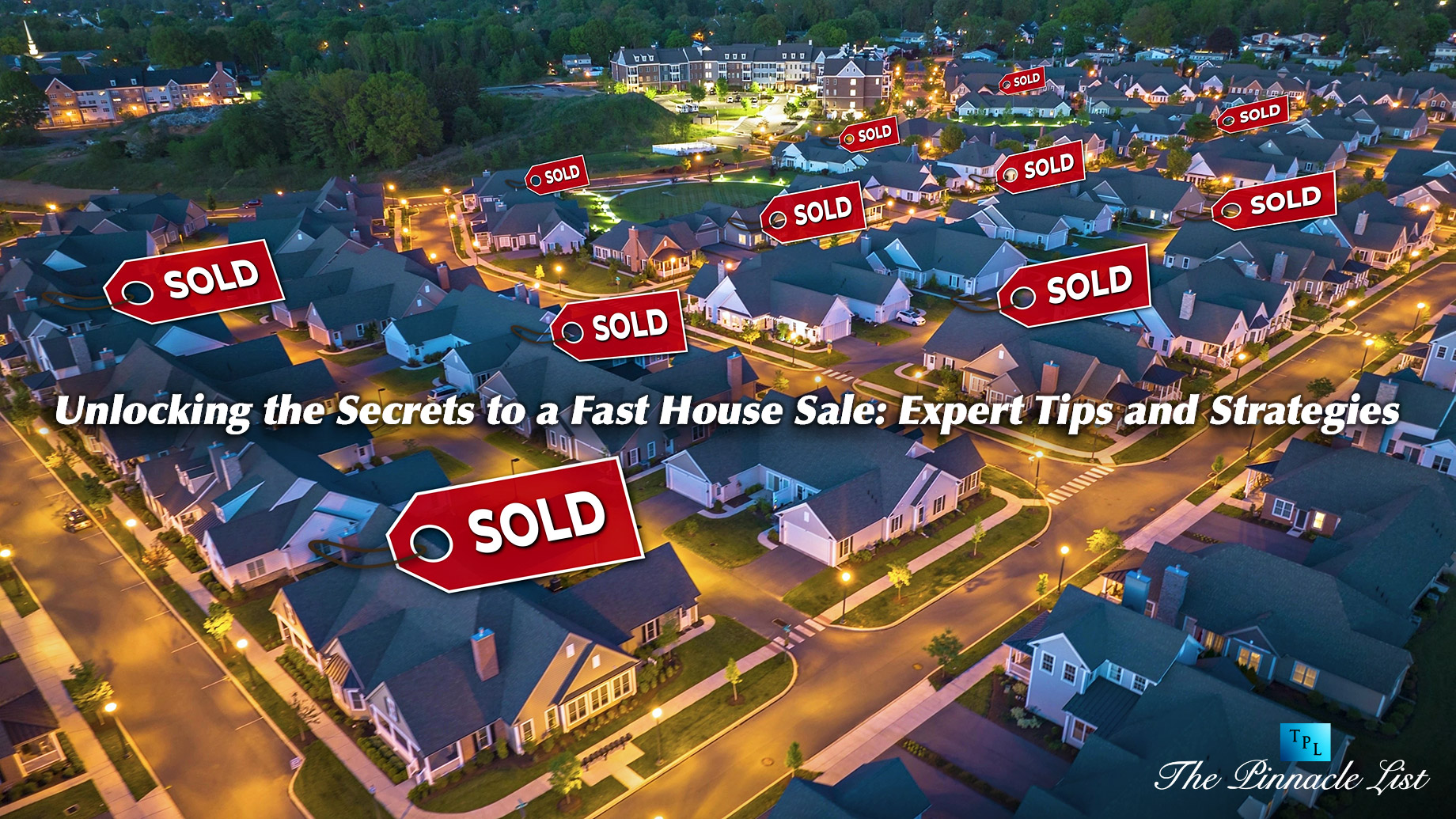
As the curtain falls on your home-selling journey, envision the sweet success of a sale done right. With these expert strategies in your arsenal, you’re not just selling a house—you’re crafting a story that buyers can’t resist. Remember, in the world of real estate, it’s about making the right moves at the right time. Ready to sell your house fast and reap the rewards?

