
Welcome to the exciting world of home buying, where dreams meet reality and your perfect haven awaits. The current housing market is a dynamic landscape, filled with opportunities and challenges that will test your mettle while promising the ultimate reward – a place to call your own. As urban areas buzz with development and rural landscapes offer serene escapes, there’s a home out there just waiting to write the next chapter of your life story.
Let’s embark on this journey together, unraveling the mysteries of market trends, discovering innovative home features, and navigating financing options. Our creative and persuasive insights will empower you to make informed decisions, turning the daunting process of home buying into a thrilling adventure. Your dream home is closer than you think, and with the right guidance, you’ll find it in no time!
Understanding the Current Housing Market
In the ever-evolving landscape of real estate, staying abreast of the latest trends and market dynamics is crucial for prospective buyers and sellers alike. As we navigate through 2023, the housing market reflects a confluence of factors that are shaping housing availability and pricing.
Today’s market is characterized by a unique blend of high demand and low inventory, driven by rising interest rates and a post-pandemic shift in buyer preferences. This has created a competitive environment where making informed decisions is more important than ever.
Current Trends in the Housing Market
In the current market, we’re seeing increased digital integration as technology plays a pivotal role in how properties are bought and sold. Virtual tours and online transactions are now the norm, making the process more accessible yet competitive. Additionally, there’s a noticeable trend of remote work reshaping buyer preferences, with many opting for homes that offer office space.
Factors Influencing Housing Prices Today
Several factors are impacting housing prices in today’s market. Interest rates are a significant player, with their fluctuations directly affecting mortgage affordability. Moreover, supply chain issues have contributed to construction delays, thus limiting the availability of new homes and exerting upward pressure on prices.
Urban vs Rural Housing Availability
| Urban | Rural |
|---|---|
| Higher demand with increased pricing trends | More availability but less infrastructure |
| Diverse amenities and proximity to work | Greater space and potential for lower cost living |
Urban areas continue to see limited inventory, with many buyers facing the challenge of outbidding competition. Conversely, rural areas offer more space, yet the trade-off often comes with longer commuting times and fewer local amenities.
Common Challenges Buyers Face in the Current Market
One of the most pressing challenges for buyers today is the competitive nature of bidding wars, which often result in properties selling above asking prices. Additionally, many are grappling with the impacts of inflation, which affects everything from property taxes to the cost of renovations.
“Navigating today’s housing market requires both patience and strategy.”
Despite these hurdles, understanding the market landscape can empower buyers to make savvy decisions that align with their long-term property goals.
Essential Features to Consider in a New Home
Embarking on the journey to find your dream home is an exciting adventure, one that requires thoughtful consideration of modern features that enhance lifestyle and sustainability. With the market evolving, understanding these essentials is crucial.
From energy efficiency to smart technology integration, today’s homes are more advanced than ever before, offering a plethora of features that cater to diverse needs and preferences.
The Rise of Energy-Efficient Homes
As environmental awareness grows, energy-efficient homes have become a cornerstone of modern living, offering not only cost savings but also reduced environmental impact. These homes are built with high-performance materials and systems designed to slash utility bills and carbon footprints.
| Feature | Energy-Efficient Homes | Traditional Homes |
|---|---|---|
| Insulation | Advanced, high-grade insulation | Standard insulation |
| Windows | Triple-glazed, low-emissivity glass | Double-glazed |
| Heating/Cooling | Geothermal systems | Conventional systems |
| Energy Source | Solar panels | Traditional electricity |
Innovative Home Designs to Inspire
In the quest for a home that truly feels unique, innovative designs are breaking the mold of traditional housing. Picture a home with an open-concept living space that seamlessly blends indoor and outdoor environments, or a house with a green roof that doubles as a relaxing garden oasis.
- Modular Homes – Offering flexibility and style, these homes can be customized to fit any lifestyle.
- Tiny Homes – Designed for minimalist living, these compact spaces maximize functionality.
- Eco-Friendly Materials – Homes using recycled or sustainable materials reflect a commitment to the planet.
Integrating Smart Technology in New Homes
Imagine a home where you can control the lights, temperature, and security system from your smartphone. With the integration of smart technology, this vision is now a reality, bringing convenience and efficiency to everyday life.
Smart technology turns your home into a responsive living space.
From voice-activated assistants that manage daily tasks to intelligent refrigerators that suggest recipes based on their contents, the possibilities are endless.
Such advancements not only enhance the quality of living but also add a layer of security and peace of mind.
Consider incorporating systems such as smart thermostats, automated lighting, and smart locks for a seamless living experience that aligns with the fast-paced, connected world we live in.
Financing Options for New Home Buyers
Embarking on the journey to own a new home is an exciting adventure, but understanding the financial side of things can be daunting. Let’s explore the myriad of financing options available to make your dream property a reality.
Whether you’re a first-time homebuyer or looking to upgrade, knowing your mortgage options is crucial. The right financial plan can make all the difference in securing the best deal for your dream home.
Your Mortgage Options: Navigating the Maze
When it comes to mortgages, the choices can be overwhelming. From fixed-rate to adjustable-rate, understanding your options is the first step. Here’s a quick overview:
- Fixed-Rate Mortgages: These offer stability with a steady interest rate over the life of the loan, perfect for those who plan to stay in their home long-term.
- Adjustable-Rate Mortgages (ARMs): Initially lower rates make these appealing, but be prepared for potential increases based on market trends.
Each has its distinct benefits and drawbacks, so let’s dive deeper.
Fixed-Rate vs Adjustable-Rate Mortgages: Weighing the Pros and Cons
Choosing between a fixed-rate and adjustable-rate mortgage is like deciding between consistency and adaptability. Here’s a breakdown:
| Feature | Fixed-Rate Mortgages | Adjustable-Rate Mortgages |
|---|---|---|
| Interest Rate | Stable and predictable | Variable after initial period |
| Monthly Payments | Consistent | May fluctuate |
| Ideal For | Long-term homeowners | Those planning to move or refinance |
Boosting Your Credit Score: The Key to Better Rates
Your credit score is a critical factor in determining the terms of your mortgage. A higher score can mean lower interest rates and better loan conditions. Here’s how to improve it before you apply:
- Review your credit report for any errors and dispute them.
- Pay down outstanding debts to improve your debt-to-income ratio.
- Make all future payments on time to establish a positive payment history.
- Avoid opening new credit lines that might affect your score negatively.
Applying for Home Loans: A Step-by-Step Guide
Once your finances are in order, the next step is to apply for a home loan. Here’s a simple process to get you started:
Preparation is key. Gather all necessary documents early to streamline the application process.
- Research and compare different lenders to find the best rates.
- Gather your financial documents: pay stubs, tax returns, bank statements.
- Get pre-approved to show sellers you are a serious buyer.
- Submit your loan application with all required documents.
- Work closely with your lender to complete any additional requirements.
Remember, a well-planned financial strategy can make the path to homeownership smoother and more rewarding.
Finding New Homes in Desired Locations
Navigating the world of real estate to find your dream home in the perfect location can be both exciting and daunting. With the right strategies, you can streamline the process and make informed decisions.
Understanding the nuances of different neighborhoods, leveraging online tools, and collaborating with seasoned real estate agents are pivotal steps in your home-buying journey.
Organizing a Guide on Researching Neighborhoods Effectively
Immersing yourself in the environment of potential neighborhoods is essential to ensuring it aligns with your lifestyle and aspirations. Begin with exploring local amenities, schools, and transportation options. Engage with community forums and social media groups to gather authentic insights from current residents.
- Visit neighborhoods at different times of the day.
- Check local crime rates and safety reports.
- Attend open houses to get a feel for the community.
Using Online Tools to Locate New Homes
The digital age offers an array of tools that can simplify your search for new homes. Platforms like Zillow, Realtor.com, and Redfin provide comprehensive listings with detailed filters to narrow your search based on price, size, and features.
Use virtual tours to explore homes remotely, and set up alerts to stay updated on new listings in your desired areas. This proactive approach saves time and ensures you don’t miss out on potential opportunities.
Strategies for Working with Real Estate Agents
A skilled real estate agent can be your greatest ally in finding new homes. Communicate clearly about your budget, preferred features, and location preferences. They can provide valuable market insights and access to exclusive listings.
- Schedule regular check-ins to stay updated on new properties.
- Request a comparative market analysis to understand property values.
- Leverage their negotiation skills to get the best deals.
Key Location Factors to Consider When Choosing a Home
The location of your home is a critical factor that can affect your quality of life and future property value. Evaluate proximity to work, schools, and public transport. Consider the neighborhood’s growth potential and your personal preferences regarding urban or suburban settings.
| Factor | Considerations |
|---|---|
| Proximity to Work | Commute times and transportation options |
| School Districts | Quality of local schools and education opportunities |
| Community Amenities | Parks, shopping centers, and recreational facilities |
“The right neighborhood can turn a house into a home and a place into a community.”
Negotiation Techniques in Home Buying
Embarking on the journey to home ownership doesn’t just involve finding a dream property but also mastering the art of negotiation. This process can make a significant difference in securing the best deal possible.
Understanding negotiation techniques is crucial as it empowers buyers to advocate for their interests effectively while navigating the intricacies of the housing market.
Methods to Secure the Best Purchase Price
Negotiating the purchase price is an art form that requires finesse, strategy, and sometimes a bit of patience. To start, always begin with comprehensive research on the market value of the home and comparable properties in the area. Equipped with this data, you can confidently present a reasonable offer. Additionally, expressing genuine interest while being willing to walk away if necessary strengthens your bargaining position. Remember, the first offer sets the tone, so make it count with precision and facts.
Common Pitfalls in Home Buying Negotiations
Even with careful preparation, it’s easy to stumble into a few common pitfalls. One major mistake is letting emotions drive your decisions—keep the focus on logic and data. Another is neglecting to get everything in writing; verbal agreements can lead to misunderstandings or disputes later. Avoid fixating on minor points at the expense of the bigger picture, and ensure to have a clear understanding of any fees or additional costs that could impact the final price.
A Comprehensive Checklist for Negotiation Discussions
Having a checklist ensures that all critical areas are covered during negotiations:
- Offer price and justification based on market analysis
- Contingencies and their impact on the offer
- Inclusions like appliances or furnishings
- Inspection and repair agreements
- Closing costs and who covers them
- Timeline for closing and possession
- Earnest money deposit and terms
Handling Multiple Offer Situations
In competitive markets, multiple offer situations are common. These require a delicate balance of aggression and caution. When facing multiple offers, craft your proposal to stand out by including a personal letter to the seller, showing flexibility on closing dates, or increasing earnest money to demonstrate commitment. Consider using an escalation clause, which automatically increases your offer by a specified amount above competing bids, up to a certain limit. Remember, transparency and quick responses are your allies in these high-pressure scenarios.
Preparing for the Move to a New Home
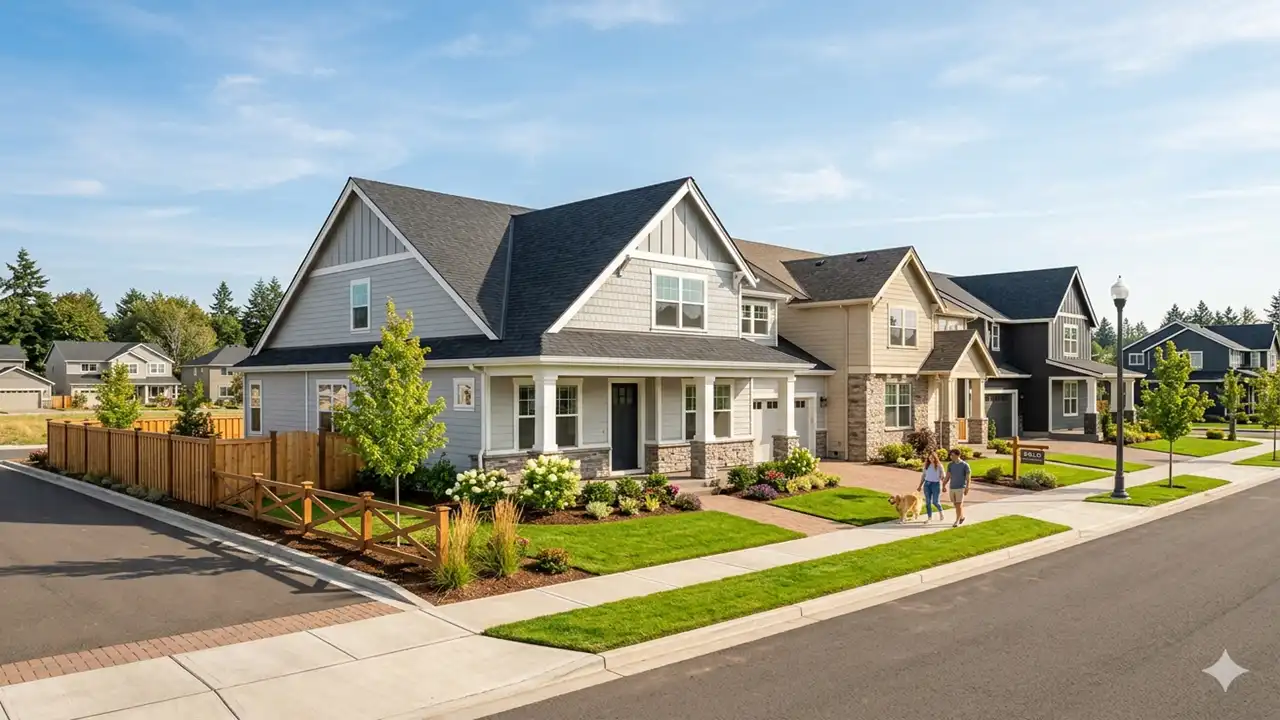
You’ve found your dream property, and now it’s time to transform that dream into a reality. Moving to a new home can be both exhilarating and daunting, but with the right preparation, you can ensure a smooth transition.
Let’s delve into some essential steps that will help you prepare efficiently for your upcoming move.
Efficient Packing Strategies for a Smooth Move
Packing is much more than just putting items into boxes. It’s an art that, when done right, can save you time and stress. Start by decluttering and organizing your belongings. This not only reduces what you need to pack but also means you’ll be moving into your new home with a fresh start.
- Use quality supplies: Invest in sturdy boxes, packing tape, and protective materials like bubble wrap.
- Label everything: Mark each box with its contents and designated room for easy unpacking.
- Pack strategically: Place heavier items at the bottom and lighter items on top within each box.
- Keep essentials separate: Prepare a box of essentials to get you through the first few days in your new home without hunting for specific items.
Hiring Reputable Moving Services
Choosing the right moving company can make all the difference in your relocation experience. To find a service that is both trustworthy and efficient, it’s essential to conduct thorough research.
Start by gathering recommendations from friends or family, and read reviews online. Make sure to compare quotes from multiple services and inquire about their insurance policies. Always verify their credentials and ask about any hidden fees that could surprise you on moving day.
Remember, a reputable moving service will be transparent about their process and happy to answer all your questions.
Creating a Timeline for a Stress-Free Move
Planning is your best friend when it comes to moving. A well-thought-out timeline can help you tackle tasks systematically, reducing last-minute chaos.
| Timeline | Tasks |
|---|---|
| 8 Weeks Before | Start decluttering, research moving companies, notify employers/schools of the move. |
| 4 Weeks Before | Begin packing non-essential items, book moving services, arrange for travel if necessary. |
| 2 Weeks Before | Confirm moving details with the company, finalize utility transfers, pack essential items. |
| 1 Week Before | Prepare a moving day kit, clean your current home, ensure all paperwork is in order. |
Transferring Utilities and Services
To seamlessly transition into your new home, it’s crucial to manage your utility and service transfers efficiently. Begin by making a list of all the utilities you need to transfer, such as electricity, water, gas, internet, and cable.
Contact your current providers to schedule disconnection and your new providers to arrange connections. Aim to have all essential services set up by the time you move in.
Also, remember to update your address with important institutions like banks, insurance companies, and postal services to avoid any lapses in correspondence.
Closure
As you stand on the brink of purchasing your dream home, remember that preparation and knowledge are your greatest allies. Whether you’re negotiating the best price or packing for the big move, every step is a stride toward your future. Trust in your journey, stay informed, and allow your creativity to guide you to a decision that feels just right. The perfect home is not just a destination, but a foundation for lifelong memories. Welcome to the beginning of your new story.

